Understanding the psychological triggers that drive gambling behavior in casinos
The Allure of Risk and Reward
The thrill of risk-taking is a significant psychological trigger that influences gambling behavior. Casinos are designed to evoke emotions tied to uncertainty and excitement. The potential to win large sums of money can ignite feelings of euphoria, driving players to take risks they might not otherwise consider. This adrenaline rush creates an environment where individuals feel alive and engaged, often leading them to gamble more than they initially planned, especially when exploring online casinos australia.
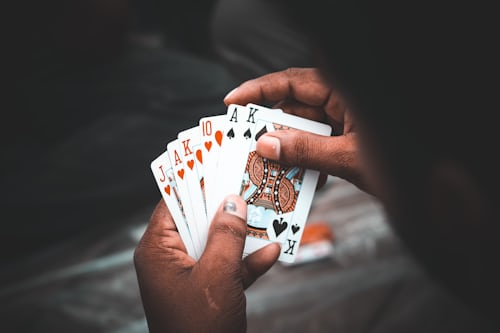
Moreover, the unpredictable nature of games like slot machines or poker amplifies this allure. Players become captivated by the possibility of hitting the jackpot, which can lead to a cycle of repeated play. This ongoing anticipation fuels the desire to gamble, as each spin or hand dealt carries the potential for significant rewards, thereby reinforcing the behavior further.
The Role of Cognitive Biases
Cognitive biases play a crucial role in gambling behavior, often skewing players’ perceptions of luck and probability. One common bias is the illusion of control, where individuals believe they can influence the outcome of games that are inherently random. This belief can lead players to engage more frequently in gambling activities, as they feel empowered and confident in their ability to win.
Another prevalent bias is the gambler’s fallacy, where players mistakenly think that past outcomes affect future results. For instance, if a player has lost several rounds, they may assume that a win is due. This fallacy can lead to chasing losses, which often results in increased gambling and financial risk, as individuals try to recoup their previous losses.
The Impact of Social Influences
Social dynamics significantly influence gambling behavior in casinos. The presence of other players can create a sense of community and shared excitement, making gambling more appealing. When individuals see others winning, they may feel compelled to join in, hoping to experience similar success. This social reinforcement can heighten the overall excitement of the gambling environment.
Additionally, peer pressure and the need for social validation can lead individuals to gamble beyond their means. The desire to fit in or impress friends can cloud judgment, encouraging excessive gambling. This social aspect underscores the importance of understanding how external factors can impact personal gambling decisions.
The Environment and Its Psychological Effects
The physical environment of a casino is meticulously crafted to evoke specific psychological responses. Bright lights, sounds, and the overall ambiance work together to create an exhilarating atmosphere. This sensory overload can heighten emotions, leading players to lose track of time and money spent. The constant stimulation can also create an escape from reality, drawing individuals into a cycle of prolonged gambling.
Moreover, many casinos use techniques like free drinks and complimentary services to keep players engaged. These incentives can lower inhibitions and lead to impulsive gambling decisions. Understanding how these environmental factors impact behavior is essential for recognizing the psychological triggers at play in gambling settings.

Exploring Further on Gambling Psychology
For those intrigued by the psychological triggers of gambling behavior, exploring this field can provide valuable insights. Resources are available that delve deeper into the cognitive, emotional, and social aspects of gambling. Understanding these dynamics can empower individuals to make informed decisions about their gambling habits.
Additionally, staying aware of one’s psychological triggers can help in maintaining a healthy relationship with gambling. Whether for entertainment or excitement, recognizing these factors can lead to more mindful and responsible gambling experiences.